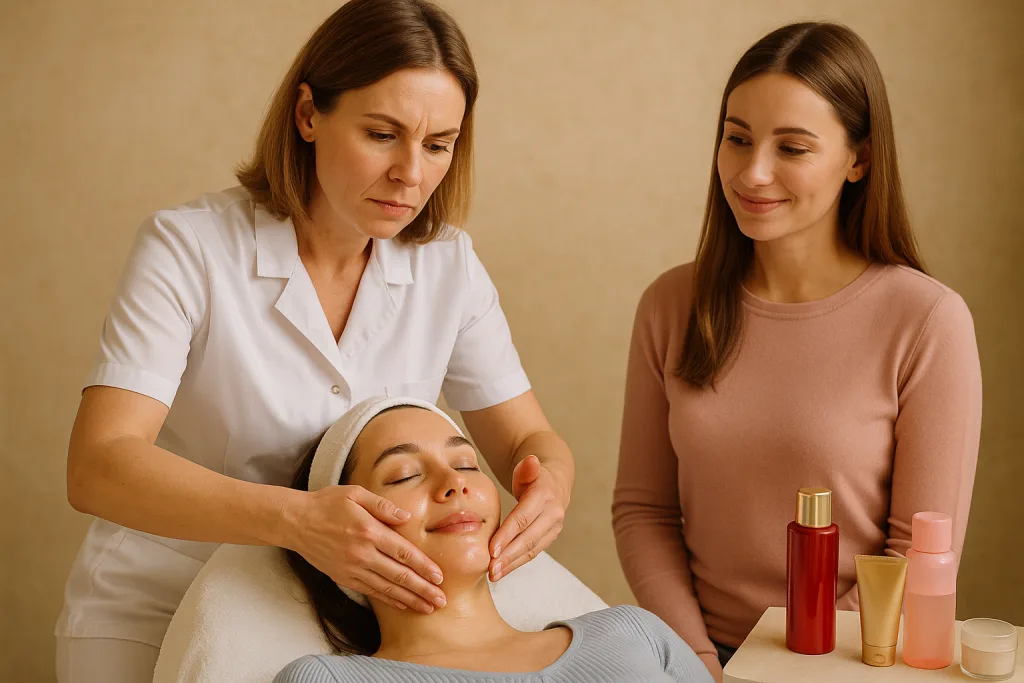
Introduction
Orenburg offers growing opportunities for cosmetologists who combine solid technical skills with smart personal branding and sound legal practices. Whether you’re starting as a beautician or expanding into advanced services, this guide covers the local and professional essentials: training paths, common procedures (and their limits), client care, legal/business setup, marketing, and continuous education.
1. Local context: why Orenburg matters
— Regional demand: a mix of urban clientele in Orenburg city and clients from nearby towns creates steady demand for beauty and aesthetic services.
— Competitive landscape: salons, private studios and medical clinics coexist—clear positioning helps you stand out.
— How to find local resources: search for accredited courses and workshops with keywords like “курсы косметолога Оренбург”, visit local clinics/salons for mentorship, and check regional health department announcements for sanitary rules and licensing updates.
2. Education and certification
— Basic pathways:
— Professional college programs (beautician/cosmetologist diploma).
— Short-term accredited courses and advanced masterclasses (facials, lash extensions, microblading, etc.).
— Medical vs non-medical cosmetology:
— *Non-medical* (esthetician-level): facials, peels of superficial depth, manual treatments, makeup, lashes, brows, waxing—typically taught in vocational programs and private courses.
— *Medical* cosmetology (injectables, deep chemical peels, laser therapy): requires medical education (медицинское образование) and clinical licensing. Procedures like Botox, fillers, and some laser treatments should only be performed by qualified medical personnel.
— Verify accreditation: choose programs with certificates recognized by local employers or professional associations. Keep course records for portfolio and regulatory compliance.
3. Techniques and services — what to offer (and what to avoid without medical credentials)
— Safe, high-demand services for non-medical cosmetologists:
— Basic and advanced facials (hydration, cleansing, enzyme, manual extraction).
— Microdermabrasion (device-based superficial), skin care protocols.
— Chemical peels of superficial depth (beware: medium/deep peels often require medical oversight).
— Lash extensions, eyebrow shaping, microblading (ensure pigment safety and hygiene).
— Waxing, sugaring, body scrubs, SPA procedures, makeup artistry.
— Equipment-based services:
— Non-ablative devices (ultrasound, LED therapy) can be used after proper training and with compliance to manufacturer and local rules.
— Laser and intense light treatments often have stricter regulations—confirm local legal requirements and seek medical supervision where required.
— When to refer: always refer clients to a medical cosmetologist or dermatologist for suspicious skin lesions, severe acne requiring pharmaceuticals, injectables, or procedures beyond your legal scope.
4. Client care, safety and record-keeping
— Consultation and consent:
— Conduct detailed intake: medical history, allergies, medications, pregnancy, prior aesthetic procedures.
— Use written consent forms for treatments and for use of photos (before/after).
— Hygiene and infection control:
— Follow sanitary norms (SanPiN and local health rules), sterilize instruments, use single-use consumables where applicable, and maintain treatment room cleanliness.
— Proper disposal of sharps and biohazard waste.
— Patch tests and contraindications:
— Perform patch tests for pigments and certain cosmetic chemicals.
— Know common contraindications (pregnancy, certain medications, autoimmune conditions, recent procedures).
— Emergency preparedness:
— Have protocols for allergic reactions and adverse events; keep emergency contact info and first-aid supplies.
— Record-keeping:
— Keep client records with consent, treatment details, product batches, and aftercare advice.
— Respect personal data laws (Federal Law No. 152-FZ on Personal Data): obtain written consent for storing/processing client data and photos.
5. Legal and business setup in Orenburg (practical checklist)
— Business registration options:
— Register as an individual entrepreneur (ИП) or use the self-employed regime (Налог на профессиональный доход) if eligible. Consider the tax and reporting implications for each.
— Permits and compliance:
— Check sanitary and fire safety requirements for salons or home studios in the Orenburg region.
— For medical procedures, clinics and personnel must meet medical licensing rules—verify with Roszdravnadzor or regional health authorities.
— Contracts and documentation:
— Use clear price lists, service agreements, and written consent forms.
— Keep invoices and receipts; issue fiscal receipts where required.
— Insurance:
— Professional liability insurance (ответственность перед третьими лицами) is strongly recommended to protect against claims.
— Advertising and consumer protection:
— Follow laws on truthful advertising and disclose results realistically. Be cautious about promises and medical claims.
— Get local advice:
— Laws and enforcement can change—consult a local lawyer or accountant experienced in cosmetology businesses to ensure full compliance.
6. Personal branding and marketing for Orenburg cosmetologists
— Build a strong portfolio:
— High-quality before/after photos (with client consent), testimonials, and service descriptions.
— Online presence:
— Social media: Instagram, VK, TikTok—use targeted hashtags (e.g., #косметологОрен