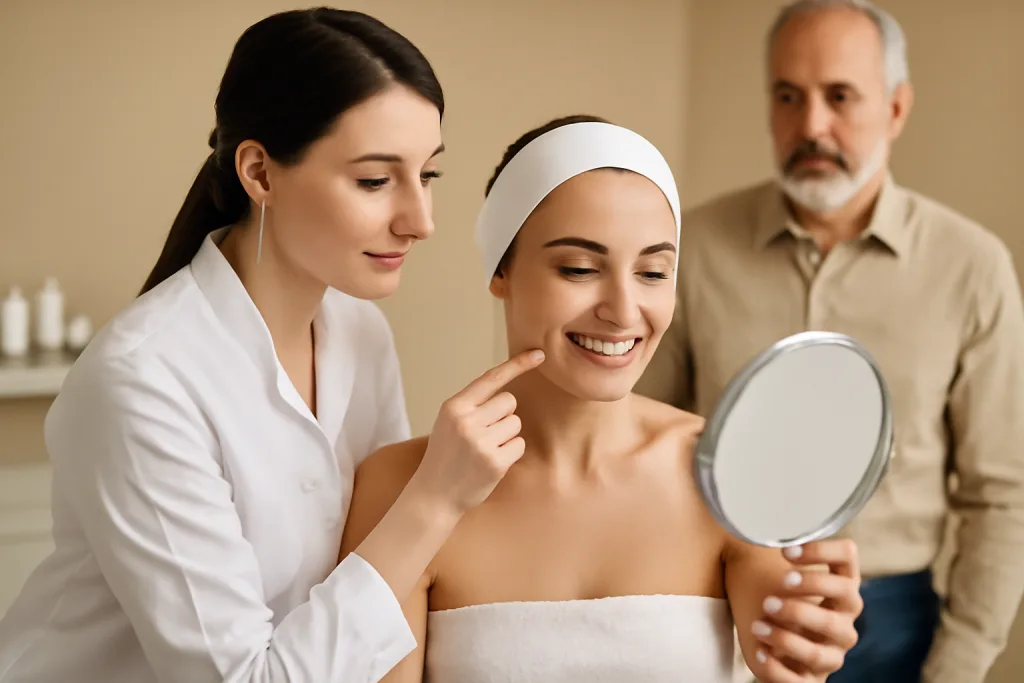
Introduction
The beauty industry in Orenburg is growing fast. For cosmetologists—whether you focus on skincare, nails, makeup, or advanced esthetic procedures—success requires a mix of solid training, legal awareness, hands-on experience, and a clear personal brand. This guide outlines the pathways, core skills, regulatory points, and marketing tactics for cosmetology professionals working in Orenburg, Russia.
Education and career pathways
— Formal vocational education
— Enrol in accredited vocational colleges and professional retraining programs (programs under Federal Law on Education). Verify accreditation before enrolling.
— Typical programs: cosmetology technician, hairdresser-stylist, nail technician, makeup artist.
— Medical vs non-medical cosmetology
— *Medical cosmetology* (invasive procedures, injectables, aesthetic medicine) generally requires a medical education and appropriate medical licensing. Physicians and medically trained specialists deliver these services.
— *Non-medical cosmetology* covers facials, basic peels, hardware treatments (where allowed), waxing, makeup, nails, and hair—these are typically available to vocationally trained cosmetologists.
— Private academies and masterclasses
— Short courses and masterclasses (local or Moscow-based trainers visiting Orenburg) are essential for advanced techniques and trends (microneedling basics, advanced brow design, lash lifting, modern manicure/art).
— Getting certified
— Collect certificates from completed courses. Keep originals and digital copies.
— Choose courses with practical hours and demonstrable instructor credentials.
Core technical skills and procedures to master
— Skin care: consultation, skin analysis, cleanses, exfoliation, peels (non-medical), masks, serums
— Hardware and devices: ultrasound, microcurrent, LED therapy—understand contraindications and device certificates
— Hair and scalp treatments: cutting, coloring, botanic/medical scalp care (non-prescription)
— Makeup: bridal, editorial, corrective techniques, hygiene and tool sanitation
— Nails: manicures (classic, European), gel and shellac systems, nail art, pedicure
— Brow and lash services: shaping, laminating, tinting, extensions (certified training recommended)
— Client consultation and contra-indications: medication history, allergies, skin types, realistic expectations
Practical training & building experience
— Internships and salon practice: prioritize programs that include salon internships or supervised client sessions.
— Build a case portfolio: before/after photos, client consent, written procedure notes.
— Start with supervised work—assist experienced cosmetologists to learn client flow, time management, and problem-solving.
— Log your practice hours and client types to track progress.
Legal, sanitary and safety considerations (what to know in Orenburg/Russia)
— Regulatory bodies: follow Rospotrebnadzor sanitary rules (СанПиН), local health department directives, and municipal requirements for salon premises.
— Medical procedures: injectables and other invasive or surgical aesthetic acts require medical personnel and appropriate licenses. If you plan to collaborate with medical cosmetologists, ensure clear legal status and documented cooperation agreements.
— Professional registration and business setup:
— Choose an appropriate business structure (ИП or ООО) and tax regime (consult an accountant). Since tax regimes change, confirm current options.
— Keep patient records, consent forms, and treatment protocols.
— Waste management and hygiene:
— Follow medical waste disposal rules for sharps and contaminated materials.
— Ensure disinfection protocols, sterilization of instruments where required, and single-use items when applicable.
— Insurance and liability:
— Professional liability insurance (страхование профессиональной ответственности) is strongly recommended.
— Advertising and medical claims:
— Avoid unverified medical claims in advertising. If promoting procedures with medical outcomes, ensure the provider’s medical credentials are clear.
Note: This is general guidance. For legal certainty, consult a local lawyer or relevant municipal authority in Orenburg.
Setting up or joining a practice in Orenburg — step-by-step checklist
1. Complete accredited training and collect certificates.
2. Decide work format: salon employee, freelance (home studio), or open your own salon.
3. Register business (ИП/ООО) and choose a tax regime with an accountant.
4. Secure premises that meet sanitary norms; check municipal zoning and permits.
5. Equip space with certified devices and proper ventilation; ensure waste disposal agreements.
6. Create consent forms, medical history forms, and privacy procedures.
7. Obtain professional liability insurance.
8. Build a portfolio, website, and social media profiles; list on local directories (2GIS, Yandex Maps).
9. Implement booking/payment systems and client reminder workflows.
10. Maintain continuing education and perform periodic self-audits for compliance.
Personal branding and marketing in Orenburg
— Identify your niche: bridal makeup, corrective skincare, male grooming, medical esthetics support, nail art, etc.
— Visual portfolio: high-quality before/after photos; ensure client consent for publication.
— Platforms to prioritize:
— Instagram and VK for visual content
— Telegram channels and local VK groups for promotions and bookings
— Yandex Maps and 2GIS for local discoverability
— Local partnerships:
— Collaborate with photographers, bridal salons, gyms, and dermatologists in Orenburg.
— Offer introductory events, open days or mini masterclasses at local beauty fairs.
— Pricing strategy:
— Research local market rates in Orenburg. Start with competitive introductory prices, then tier up as reputation grows.
— Offer packages and loyalty programs to increase client retention.
— Reputation management:
— Encourage reviews on Yandex and social platforms. Respond professionally to feedback.
Client safety, communication and professionalism
— Conduct thorough consultations every time. Document contraindications and consent.
— Communicate realistic outcomes and aftercare clearly (written and verbal instructions).
— Use clear